
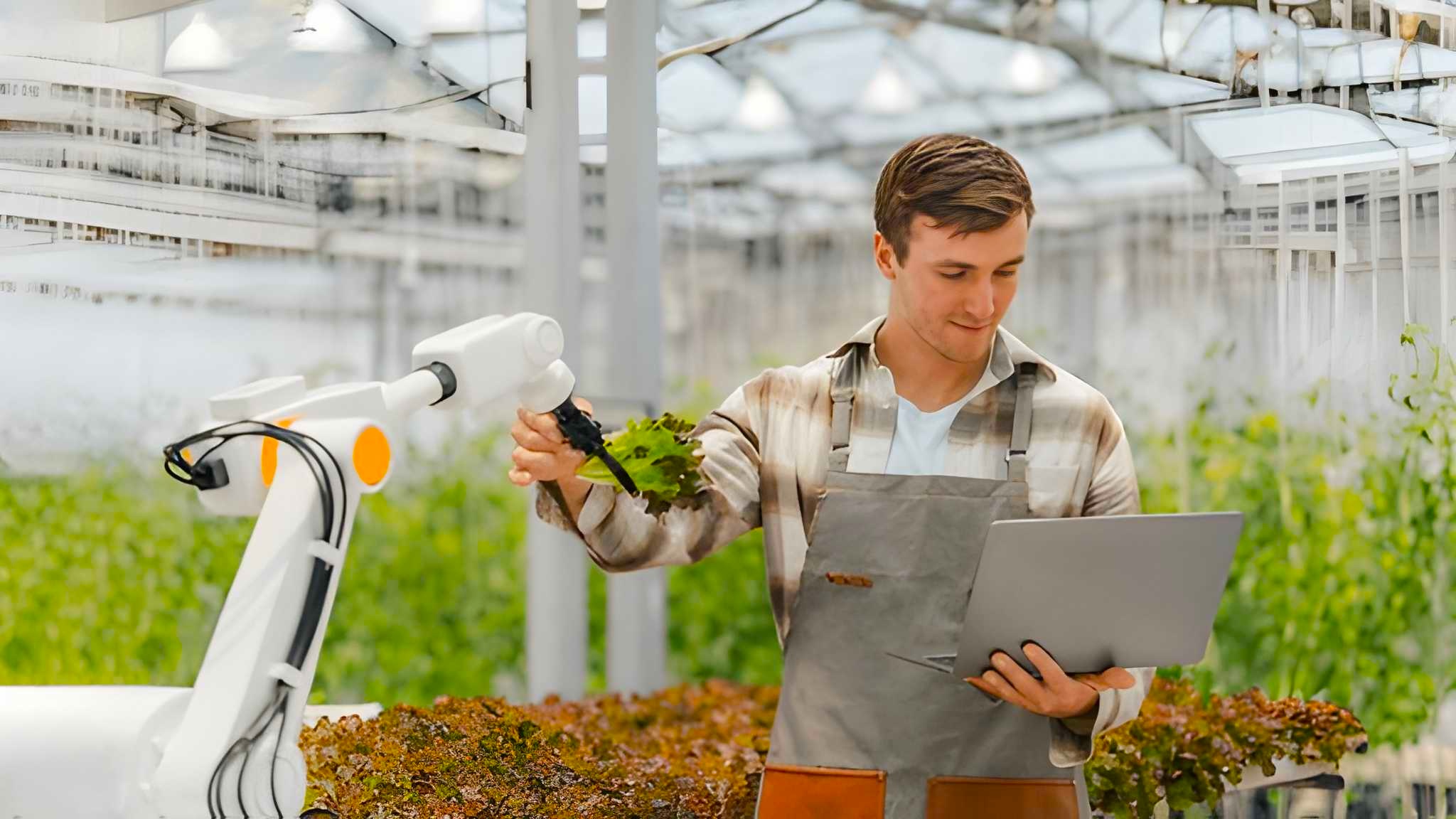
Agriculture has always been a technology business, even when the technology was a notebook, a weather forecast, and a farmer’s intuition built over decades. What has changed is scale and speed. Fields are larger, margins are tighter, and risks can escalate faster than manual inspection can keep up. In that context, connected monitoring and data analysis are not luxuries. They are becoming the practical tools that allow farms to act earlier, waste less, and protect both crops and animals with more consistency.
The most useful way to think about “smart farming” is not as a replacement for experience, but as an amplifier of it. A farm produces signals everywhere: soil moisture, temperature, humidity, leaf condition, wind, irrigation performance, animal movement, feed patterns, ventilation behavior, and equipment status. The problem is not the absence of information. The problem is that a human team cannot be everywhere at once, especially when a site spans multiple zones and the most important changes happen between two inspections.
Timing is where monitoring pays back. The difference between a good season and a disappointing one often comes down to deciding when to act. The right moment to irrigate, to protect against frost, to adjust nutrients, or to intervene before disease spreads is often earlier than the damage becomes visible. Monitoring systems provide earlier indicators and reduce guesswork. Instead of reacting to symptoms, farms can respond to leading signals and protect yield before losses become irreversible.
This matters just as much during harvest planning. A farm that can track conditions consistently can make better decisions about scheduling labor, prioritizing zones, and managing logistics. Even small improvements in timing can protect quality and reduce waste, especially when weather conditions are unpredictable.
Connected monitoring also helps translate “it feels wrong” into “this parameter is drifting”. That difference might sound subtle, but it supports clearer decision-making across the entire team, including seasonal staff and external partners.
Pest and crop damage prevention is another area where speed matters. Pests, fungal outbreaks, and stress conditions can spread faster than manual inspection can track, especially in large farms, greenhouses, or distributed plots. Sensors and visual monitoring can highlight anomalies and focus attention where it matters, turning a broad, time-consuming problem into a targeted response.
That targeting has a direct economic effect. When a farm can identify the right area at the right time, interventions become more precise. Instead of blanket treatments, resources can be applied where they provide the most benefit. This reduces waste, reduces costs, and can also align better with regulatory and sustainability expectations that increasingly discourage unnecessary treatment and over-application.
Livestock environments raise the stakes even further. In animal production settings, conditions can shift quickly. Ventilation failures, temperature spikes, water interruptions, and abnormal behavior can develop into catastrophic losses in a short window. When farms rely only on periodic checks, they risk discovering problems after the window for a simple fix has passed.
Continuous monitoring supports earlier detection and faster intervention. It can also improve welfare and operational stability by making trends visible. If a specific area repeatedly runs hot, if airflow is inconsistent, or if water usage patterns shift unexpectedly, those signals can be investigated before they become emergencies. Over time, this reduces risk and improves routine quality, because the farm learns from evidence rather than repeating the same surprises.
Big data is often mentioned in agriculture, and it can sound abstract. In practice, it is simple: consistent measurements over time. When a farm collects reliable data season after season, it can compare outcomes, evaluate interventions, and optimize inputs like water, energy, feed, and labor. This is not about collecting numbers for their own sake. It is about improving decision quality in a business where small percentage gains can compound into meaningful profitability.
AIXINTO develops agriculture-focused solutions that support monitoring, automated routines, and data-driven operations. The aim is practical: help farms see problems earlier, act with precision, and optimize resources without adding unnecessary complexity. A successful deployment starts with defining outcomes, yield protection, risk reduction, labor efficiency, or compliance, and then configuring the technology to support the workflow the farm already trusts.
Smart farming is not about turning agriculture into a laboratory. It is about making day-to-day decisions easier, faster, and more reliable. In a world where climate variability and operational pressure continue to rise, earlier signals and better decisions are not just helpful, they are becoming essential.